Table of contents
- Key takeaways
- Does hired non‑owned auto cover cleaners?
- How do hired and non‑owned auto differ from commercial auto or a personal auto policy?
- When will HNOA pay — and when will it refuse a claim?
- Do I need commercial auto instead of HNOA if my cleaning business owns a vehicle?
- How does HNOA interact with employee personal policies and rental companies?
- How to buy and compare HNOA for a cleaning business?
- Decision checklist — should your cleaning business buy HNOA?
- Where vehicle coverage fits with other cleaning‑business insurance
- Frequently asked questions
- Bottom line
Yes — hired and non‑owned auto (HNOA) can cover cleaners, but only for specific liability exposures and only when you actually buy the endorsement or the right symbols are on your commercial auto/BAP policy. HNOA typically protects the business (not the employee’s car) for bodily‑injury and property‑damage liability that arises when employees drive their personal cars for work or when the business rents a vehicle. For owned company vans or trucks you use every day, you need commercial auto instead.
This article explains when HNOA applies for residential and commercial cleaners, the common coverage gaps (including who pays to fix a damaged employee car), how HNOA interacts with personal auto and rental policies, how to pick between HNOA and commercial auto, a clear comparison table, a decision checklist, and the questions to ask your agent.
Key takeaways
- HNOA covers your business’s liability when employees use personal cars for company work or when you hire/rent vehicles — it’s liability protection, not physical‑damage insurance.
- Personal auto policies usually exclude “business use”; HNOA is written to respond after the vehicle owner’s policy (it’s typically excess), and the Insurance Information Institute describes it as extending liability cover to employees’ personal vehicles used on the job. (content.naic.org)
- If your business owns or regularly uses vans/trucks, you need commercial auto (symbol 1 or scheduled owned autos) — HNOA won’t replace that. (das.nebraska.gov)
- HNOA won’t pay to repair the employee’s vehicle — collision/comprehensive remain the employee’s responsibility, or the rental’s CDW applies.
Does hired non‑owned auto cover cleaners?
Short answer: yes, for liability only, when the incident involves a vehicle your cleaning business doesn’t own (an employee’s car or a rented van) and you bought HNOA or have the correct symbols on your commercial auto policy. HNOA fills the gap between the employee’s/renter’s insurance and your exposures as the employer or contracting party. How that looks in practice:
- A house cleaner drives her personal car from one client to the next and is at fault in a crash — HNOA can cover the client’s medical bills and property damage claims made against your company (after the employee’s own insurance responds), if HNOA is in force.
- Your crew rents a cargo van for a weekend move and crashes — “hired” auto coverage applies to liability arising from that rented vehicle (damage to the rental itself is separate).
How do hired and non‑owned auto differ from commercial auto or a personal auto policy?
- Personal auto: written for individuals; most personal policies exclude business use (so they may deny a claim if a vehicle is used regularly for paid cleaning jobs).
- Hired & non‑owned (HNOA): an employer‑level liability endorsement that covers vehicles the business does not own. “Hired” covers rented/leased/borrowed vehicles; “non‑owned” covers employee personal vehicles used for work. HNOA is normally excess to the vehicle owner’s policy.
- Commercial auto: covers autos titled to the business (company vans, trucks). It can include primary liability and physical damage for those owned vehicles and is required when the business operates or titles vehicles. See the comparison table below for a compact view. | Coverage | What it covers | Who needs it | Typical trigger | Pays to repair the vehicle? | |---|---:|---|---|---| | Personal auto | Liability and physical damage for private use | Individual owner/employee | Commuting or personal trips (not business use) | Yes (if covered and not excluded) | | Hired & Non‑Owned Auto (HNOA) | Liability for autos business uses but doesn't own (employee cars, rentals) | Employers who have staff driving personal cars or rent vehicles | Employee on a work errand; rented van for job | No — HNOA is liability only; physical damage stays with owner or rental CDW. | | Commercial auto | Liability and optional physical damage for vehicles owned/operated by business | Businesses that own or regularly use vehicles (vans, box trucks) | Accident while driving a company‑titled vehicle | Yes, if collision/comp added. |
When will HNOA pay — and when will it refuse a claim?
HNOA generally pays for third‑party bodily injury and property‑damage liability that “arises out of the use” of a non‑owned or hired auto in your business. It commonly acts as excess over the vehicle owner’s policy and follows ISO definitions and endorsements. Still, exclusions and limits vary—check your policy closely. Common situations HNOA responds to:
- An employee driving between client homes causes a crash and injures a pedestrian or damages a third party’s property.
- A rented van used for a large cleaning job injures a bystander or damages a storefront. Common gaps and reasons a claim can be denied:
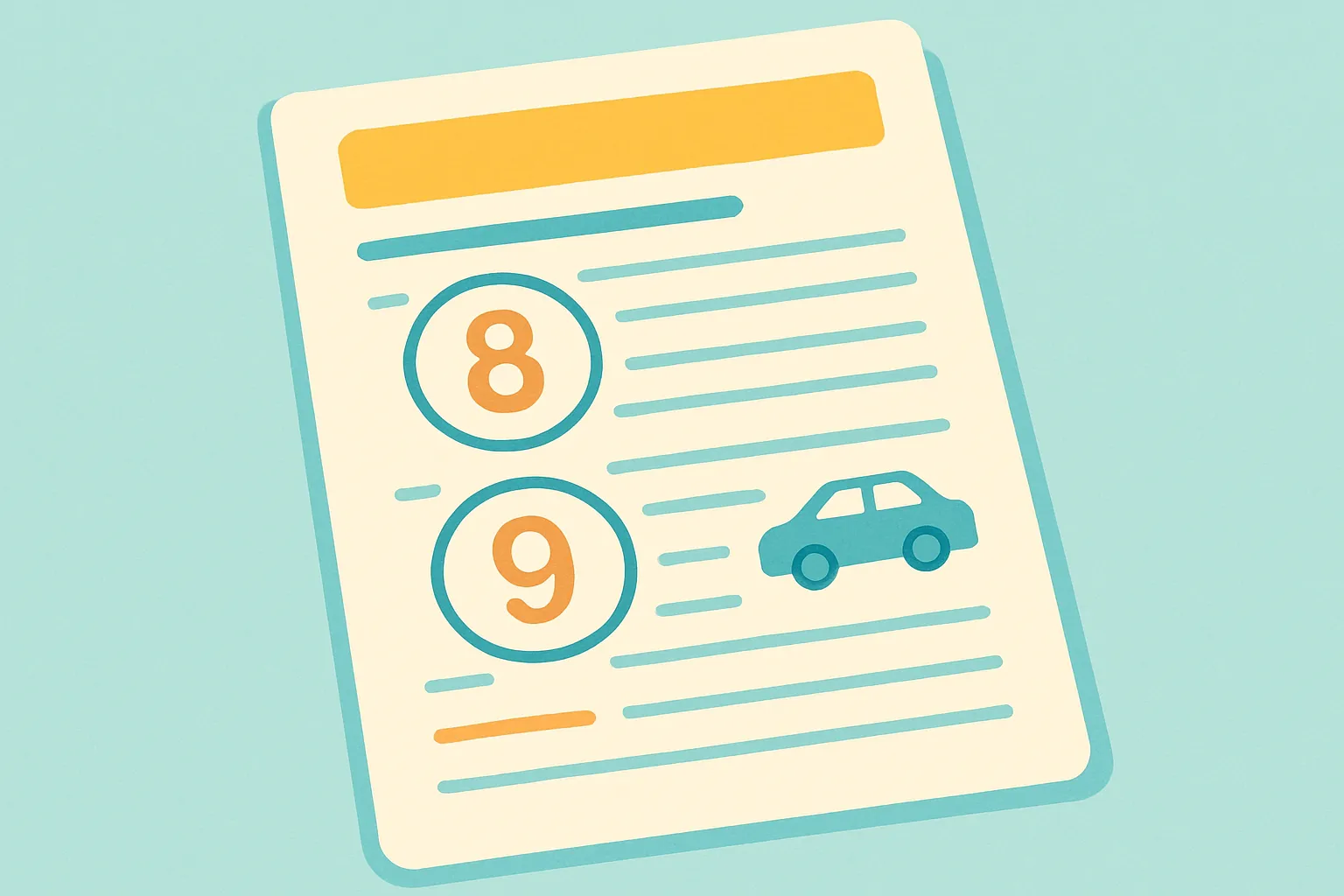
- No HNOA endorsement on your policy, or the declarations page does not show the hired/non‑owned symbols (8 and 9). Always confirm symbols or the specific endorsement wording.
- The injured party sues the employee personally and the employee’s own policy is primary — HNOA typically is secondary or excess.
- The claim seeks physical damage to the employee’s car — HNOA normally excludes physical damage to non‑owned autos; collision/comp is the vehicle owner’s responsibility or rental CDW.
- Employee was using the vehicle for a purpose specifically excluded by the policy (e.g., transporting hazardous materials, using the vehicle as a for‑hire vehicle without proper endorsement). Policy language and endorsements vary—read the exclusions carefully.
Do I need commercial auto instead of HNOA if my cleaning business owns a vehicle?
If the vehicle is registered/titled to the business or used routinely to transport bulky equipment (vacuums, extractors, ladders) you should carry commercial auto — HNOA is not a substitute for insurance on owned autos. Contracts and facility managers often demand scheduled commercial auto coverage with specific limits and “any auto” (symbol 1) rather than only hired/non‑owned symbols. Practical rules:
- Own or lease a van under the business name → buy commercial auto and list the vehicle on the policy.
- Only ever have employees use their personal cars for light errands between jobs → HNOA plus guidance to employees about their own insurance may suffice.
If you’re unsure which applies, ask for a declarations page review from your agent — look specifically for symbols and whether liability is primary or excess.

How does HNOA interact with employee personal policies and rental companies?
- Employee personal policies are usually primary for accidents involving their car; HNOA typically pays only after the employee’s policy limits are exhausted. That’s why carriers often expect employees to maintain personal auto insurance if they drive for work.
- When you rent a vehicle, the rental company’s contract and the renter’s own coverage determine who’s primary. Hired auto coverage fills the employer’s liability exposure for rented vehicles, but physical damage often remains the renter’s responsibility unless you buy the rental company’s damage waiver. A common trap: some clients require you to show certificates naming them as “additional insured” and listing hired/non‑owned auto coverage. Verify whether they want HNOA or scheduled commercial auto (and what symbols/limits they require) before bidding a job. Some contracts name the ISO covered-auto symbols (for example 8 for hired autos and 9 for non-owned autos) or require “any auto” with a minimum limit, so match the clause exactly.
How to buy and compare HNOA for a cleaning business?
Step‑by‑step:
- Inventory how vehicles are used: owned by company? owned by employees while on the clock? rented frequently? (This determines whether you need commercial auto, HNOA, or both.)
- Ask for the carrier’s exact endorsement form or declarations page and confirm the symbols (8 = hired, 9 = non‑owned) and whether HNOA is primary or excess. Put the carrier’s language in writing.
- Confirm limits and umbrella/umbrella attachment — many facilities demand $1M or higher combined single limits for auto liability; check contract requirements. (Contract language varies; read the client’s insurance clause.)
- Verify exclusions: employee injuries, intentional acts, pollution, “business‑use” exclusions, and any vehicle classes excluded.
- If you have employees who drive regularly, require proof of the employee’s personal insurance (copy of declarations page) or add drive‑time controls/policies and driver‑monitoring. When comparing quotes, ask agents to show you the exact endorsement they intend to issue — two carriers can both call something “HNOA” but the definition and who is an insured (employees vs. company) can differ.
Common mistakes cleaners make with vehicle coverage?
- Assuming an employee’s personal auto covers business use. Many personal policies exclude regular business use; that gap can leave your business on the hook.
- Buying HNOA but not confirming whether it’s primary or excess — that affects defense strategy and whether claims eat into your limits.
- Not checking the declarations page symbols (8 vs 9 vs 1) — wrong symbol = denied coverage at claim time.
- Forgetting physical damage: HNOA won’t fix an employee’s dented car; don’t assume it will.
- Failing to require certificates and additional insured status from subcontractors or platforms that send cleaners to jobs — that can create layered exposure. (See hiring/subcontractor guidance.)
Decision checklist — should your cleaning business buy HNOA?
- Do you have any employees (W‑2 or regular independent contractors) who drive their own vehicles while working? → Strong reason to buy HNOA.
- Do you ever rent/lease vans for jobs? → Buy hired‑auto (symbol 8) or ensure rentals are covered.
- Do you own or lease any work vehicles in the business name? → Those vehicles belong on a commercial auto policy (do not rely on HNOA).
- Do clients require specific auto limits or “any auto” wording? → Confirm carrier can meet the contract and name the client as additional insured. Questions to ask your agent (put these on your phone before shopping):
- “Can you show me the actual HNOA endorsement or the declarations page with symbols 8 and 9 listed?”
- “Is HNOA primary or excess over an employee’s personal policy?”
- “Does HNOA cover employees as insured drivers, or only the business?” (If you need the employee insured, ask for ISO endorsement CA 99 33 or equivalent.)
- “Will this policy satisfy my client contract’s auto insurance clause (they ask for X limit and additional insured)?”
- “Does this cover physical damage to a rented van or an employee’s car?” (Answer is usually no; add rental CDW or tell employees to carry comp if they drive.)
Where vehicle coverage fits with other cleaning‑business insurance
HNOA sits beside, not instead of, other core protections: general liability (for on‑site property damage and completed‑operations claims), workers’ compensation for employee injuries, and fidelity or janitorial bonds where clients require them. If you need help matching limits to contracts, see our guides on general liability for short term rental cleaners, janitorial bond vs general liability for cleaners, and insurance for carpet cleaning damage claims. For rough cost expectations, see How Much Does Cleaning Business Insurance Cost? US Guide. If you hire employees, check our workers’ comp guide: Do Residential Cleaners Need Workers Compensation? Guide.

Frequently asked questions
Can HNOA protect me if an employee uses their own car and injures a client on a job?
Yes — HNOA is intended to protect the business for third‑party liability arising from non‑owned autos used in your business, although it normally pays after the employee’s personal policy. Make sure your HNOA endorsement is in force and check whether the carrier treats it as primary or excess.
Will HNOA fix a cleaner’s personal car after a crash on the job?
No. HNOA is liability coverage for damage to other people and property. Physical damage to the employee’s own car is covered only by the employee’s collision/comprehensive (if bought) or by rental CDW for rented vehicles.
If I have a single company van, do I still need HNOA?
If the van is owned or titled to the business, you need commercial auto for that vehicle (symbol 1 or scheduled owned). HNOA is for non‑owned/hired vehicles and won’t replace insurance on company‑titled vehicles.
My client wants to be named additional insured — can HNOA do that?
Clients often request additional insured status and specific symbols/limits in contracts. Many HNOA endorsements can satisfy client requirements, but confirm the endorsement wording and limits with your agent and get a certificate that lists the client and the relevant symbols.
Bottom line
Hired & non‑owned auto is a low‑cost bridge that protects cleaning businesses from liability when staff use personal cars or when you rent vehicles — but it’s liability‑only and does not replace commercial auto for company‑owned vans. Review your declarations page for symbols 8 and 9, confirm whether HNOA is primary or excess, require employees to maintain personal coverage, and ask your agent to show the actual endorsement before you accept a contract. For contracts and limits, match what the client asks for and add commercial auto when vehicles are titled to the business. Next steps: pull your current declarations page, find the auto coverage symbols or endorsements, and use the checklist and agent questions above when you speak to your broker. For related policies and contract requirements, see our cleaning‑business guides on general liability, bonds, workers’ comp, and claims handling.
Sources
- Insurance Information Instituteiii.org
- content.naic.orgcontent.naic.org
- das.nebraska.govdas.nebraska.gov

Stephanie Mitchell has 20 years of experience researching and explaining business insurance topics for small business owners. About the author · Editorial standards