Table of contents
- Key takeaways
- What immediate steps should you take at the scene after damaging a client’s property?
- How should you document the damage to support a claim?
- When and how do you notify your client, your agent, and the insurer?
- What insurance covers client property damage and who pays?
- How will a claim affect your premiums and record?
- How to work with the adjuster and settle the claim?
- Common real‑world scenario (hypothetical)
- How state rules and contract requirements can change the process?
- Frequently asked questions
- Bottom line
If your cleaning crew damages a client’s property, act fast, document everything, and involve your insurer—don’t try to “fix it quietly.” First secure safety, stop further damage, take time-stamped photos and video, and notify the client and your agent or carrier promptly. This article walks through the exact sequence of steps to protect your business, how different coverages may respond, what to say (and not say), a comparison table of relevant policies, a decision checklist, and the questions you should ask your agent.
Key takeaways
- Stop further damage, document the scene with photos/video, keep receipts for emergency repairs and mitigation. (content.naic.org)
- Notify your client and your insurance agent or carrier promptly; most policies require timely notice and an insurer may open a claim file.
- General liability usually covers third‑party property damage caused by your operations, but exclusions (like “your work” or “contractual liability”) can apply—check the policy. (insurance.ca.gov)
- Don’t admit fault or give detailed recorded statements on the spot; keep communications factual and get the claim number and adjuster contact.
- Organize a claim folder (photos, timeline, receipts, estimates, witness info) and know your deductible and any policy limits before agreeing to pay or sign releases.
What immediate steps should you take at the scene after damaging a client’s property?
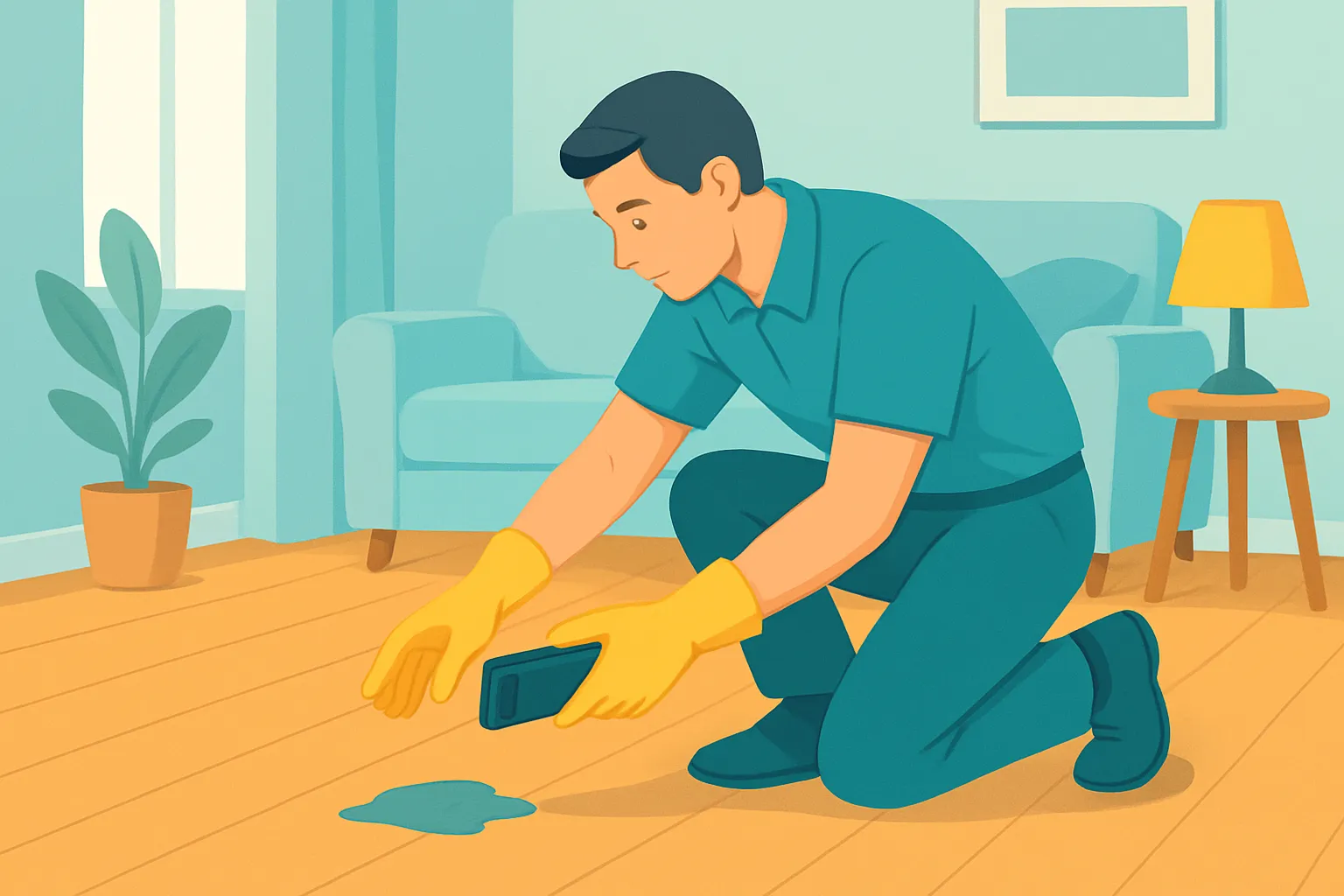
The first priorities are safety and preventing further loss. If anyone’s hurt, call 911. Stop work, secure the area, and take time‑stamped photos and video from multiple angles—include wide shots and closeups of damage, surrounding context, and any equipment involved. If reasonable, make temporary repairs (tarps, towels, shut off water) but keep receipts—emergency mitigation costs are usually reimbursable if covered, while permanent repairs should wait until the insurer inspects. State and national consumer guides advise immediate documentation, securing property, and keeping receipts for emergency work.
What to record on your phone right away:
- Date, time and exact address.
- Short video walkthrough narrated with facts (don’t guess causes).
- Photos of any serial/model numbers, thermostats, meters, or nearby hazards.
- Names and contact info for anyone present or witnesses.
How should you document the damage to support a claim?
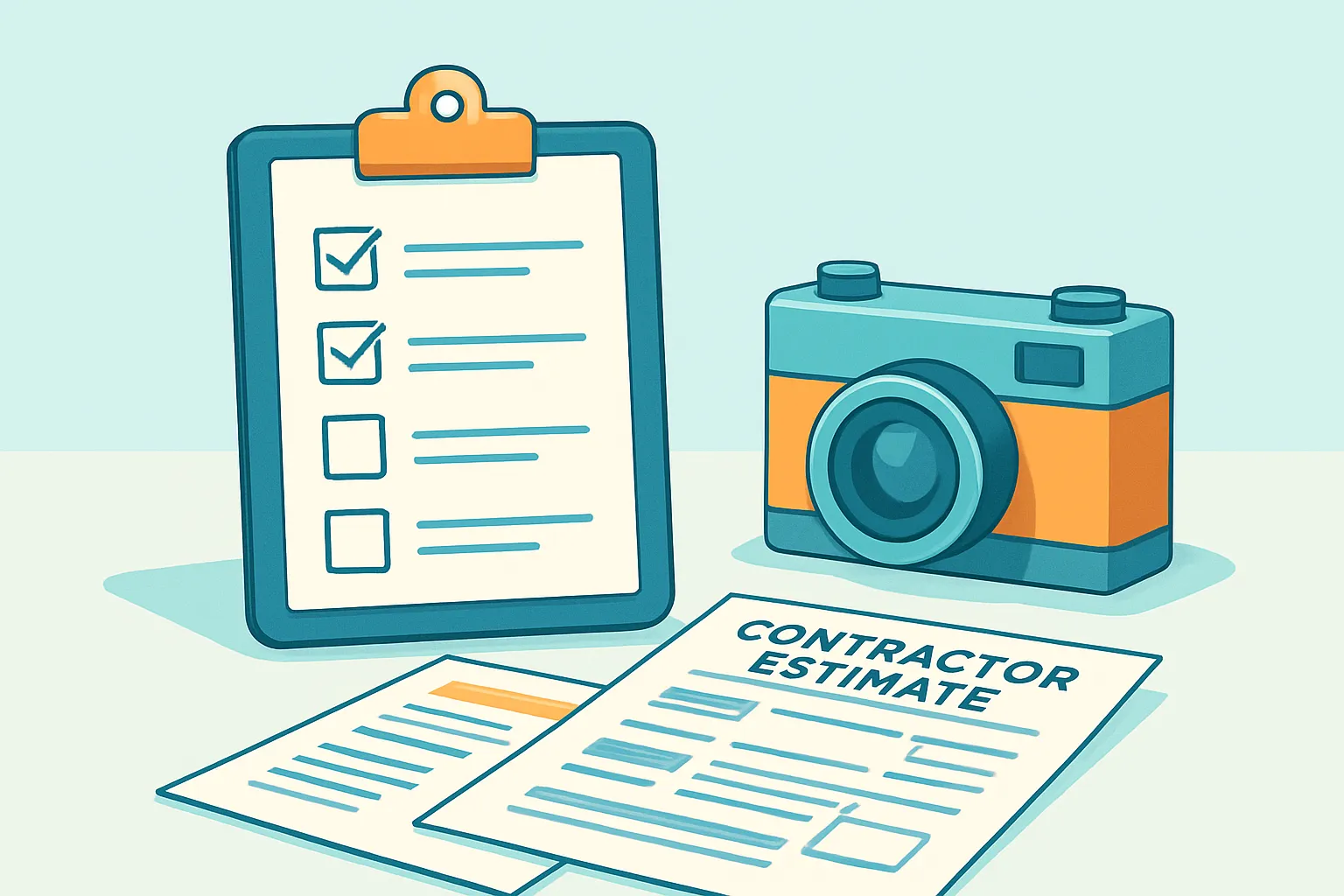
Good documentation is the single thing that speeds fair, full settlement. Create a claim folder (digital + backup) and add:
- A clear timeline of events written within 24 hours.
- Photos and videos with timestamps and location services on.
- Copies of contracts, scopes of work, invoices, pre‑job photos (if you have them).
- Receipts for emergency mitigation and any temporary labor or supplies.
- Contractor repair estimates and at least one independent estimate if possible.
- Witness statements (name, phone, signed if available).
- Copies of communications with the client (texts, emails).
Keep originals and scanned backups. Organize items chronologically so an adjuster or claims examiner can follow the story without hunting for documents. The NAIC post‑disaster guide and state insurance consumer offices emphasize maintaining receipts, inventories, and a tight paper trail.

When and how do you notify your client, your agent, and the insurer?
Tell the client quickly and calmly: acknowledge the incident, confirm you’ll document it, and say you’ll notify your insurance and follow up. Do not apologize for fault or speculate about causes—those statements can be used later. Contact your agent or carrier as soon as you reasonably can; most policies require “prompt” notice and regulators tell consumers to report damage as soon as they know about it. Ask for the claim number and the adjuster’s name, and record the person you spoke with, the date/time, and exactly what they said. If you can’t reach your agent and the loss is time‑sensitive, call the carrier directly.
Practical timing notes regulators publish:
- Expect an adjuster to contact you soon after reporting; some state guides say an adjuster should respond within a few days for non‑disaster claims, with longer windows after widespread disasters. If you don’t hear back, escalate to the carrier or your state department of insurance.
What insurance covers client property damage and who pays?
Which policy responds depends on who owns the damaged property and your contractual obligations:
| Coverage | What it covers | Who needs it | Typical trigger |
|---|---|---|---|
| Commercial General Liability (CGL) | Third‑party property damage and bodily injury from your operations (repair or replacement; defense costs). | Most cleaners; core protection for liability to clients. | You damage a client’s flooring, appliance, or artwork while working. |
| Business (Commercial) Property | Physical damage to business‑owned property, tools, inventory, or a rented workspace. | Businesses owning significant equipment/inventory. | A van or onsite equipment you own is damaged. |
| Commercial Auto / Hired & Non‑Owned Auto (HNOA) | Damage from business vehicles you own (commercial auto) or vehicles you borrow/use (HNOA covers third‑party liability for hired/non‑owned vehicles). | Cleaners using vans; subcontractors driving client vehicles. | A worker hits a client’s fence while parking the company van. See Does Hired Non‑Owned Auto Cover Cleaners?. |
| Errors & Omissions / Professional Liability | Financial losses from mistakes or failure to perform professional services. | Specialty cleaners offering consultative services or scope‑of‑work promises. | Missed stain‑removal instructions that cause permanent damage. |
| Inland Marine / Tool & Equipment Floater | Loss or damage to mobile tools and specialized equipment. | Carpet and specialized cleaning businesses. | Your extractor is damaged in transport. See Insurance for Carpet Cleaning Damage Claims. |
This table is a practical map, not a substitute for reading your actual policy. Coverage language, exclusions and limits vary; courts and regulators have repeatedly said that CGL is the primary source for third‑party property damage but exclusions for “your work” or contractually assumed liability can change outcomes—read the insuring agreements and talk to your agent.
How will a claim affect your premiums and record?
A paid or large liability claim can increase rates or affect marketability; how much depends on your loss history, the policy type, and your insurer’s underwriting rules. There’s no universal number; regulators and consumer guides advise weighing the cost to repair against your deductible and the potential premium impact before deciding whether to report very small losses. Keep in mind: failing to report a claim when your policy requires notice can jeopardize coverage. If a repair is less than the deductible and your contract lets you pay it, you may choose to reimburse the client without filing—but document everything and consult your agent.

How to work with the adjuster and settle the claim?
Be cooperative, factual and prepared. The adjuster will inspect, review your documentation, and may request written statements. Key steps:
- Provide your claim folder and walkthrough the damage with the adjuster.
- Ask the adjuster to explain how they calculated the settlement and get that in writing.
- If the adjuster asks for a recorded statement, you can offer a written statement instead and involve your agent or counsel if appropriate. Consumer guides warn that recorded statements can be used later to contradict other documentation—keep replies brief and factual.
- Don’t sign releases or accept final payments until you understand whether all damage, mitigation costs, and possible business interruption (if applicable) are included.
- If you disagree, request the insurer’s basis in writing, get independent repair estimates, and consider hiring a public adjuster for complex or large losses.
When settlement comes, verify whether the check is payable to you alone or jointly (landlords or lienholders sometimes require joint checks). For third‑party property claims, insurers typically pay the claimant (your client) or issue payment to you and the client per the agreed repairs—follow the insurer’s requirement and get receipts.
Common mistakes cleaning businesses make that delay or kill claims?
- Waiting to notify the carrier or agent. Prompt notice is nearly always required.
- Admitting fault or guessing about cause at the scene. Keep statements factual (date/time/what happened), not speculative.
- Throwing away damaged items before photographing them or keeping samples the adjuster might need. Regulators instruct policyholders to preserve evidence where safe.
- Making permanent repairs before the insurer inspects (emergency repairs OK; save receipts).
- Signing a broad release or waiver without confirming it covers only the damage being paid. If the client asks you to pay and sign a release, read it carefully and get your agent’s advice.
Decision checklist: should you report the damage to your insurer?
- Cost to repair vs. your deductible: is repair cost > deductible? (If unknown, get an estimate.)
- Is there a contractual obligation with the client that requires insurance notice? (Sometimes contracts require a COI or direct notification.) See General Liability for Short‑Term Rental Cleaners for contract examples.
- Is there the potential for a lawsuit (injury or substantial loss)? If yes, report it.
- Could the client file a third‑party claim against you? If yes, report it.
- Will failing to report risk your coverage later? (If policy requires prompt notice, yes—report.)
If you decide to self‑pay for a small repair, document the agreement, keep receipts, and get the client’s written release that is narrowly limited to that specific damage—not a broad waiver.
Questions to ask your agent or carrier (use these at the first call)
- What is the claim number and the name/contact info of the adjuster?
- Which policy (CGL, commercial auto, inland marine) do you expect to respond?
- What deductible will apply and how is it applied?
- Are emergency mitigation costs reimbursable, and what receipts or estimates do you need?
- Do I need to preserve the damaged item for inspection or can the client discard it after photos?
- Will the insurer issue payment to the client, me, or jointly? If jointly, how will funds be released for repairs?
- Are there policy exclusions or endorsements (contractual liability, subcontractor exclusions, “your work” exclusions) that might affect coverage? If so, ask for the specific policy language in writing.
Use this list when you call and log the answers (name, date, time). Regulators recommend asking for a written explanation of any decision or payment calculation.
Common real‑world scenario (hypothetical)
Say you run a two‑person residential cleaning crew and an employee accidentally spills a concentrated extractor solution that discolorates a client’s hardwood. You secure the area, photograph the stain and the bottle, keep the bottle as evidence, offer a factual apology (no admission of fault), and call your agent. The agent tells you the client will file a third‑party claim under your CGL; the insurer opens a claim, assigns an adjuster, reimburses emergency cleaning costs, and pays a contractor for repair after inspecting. You log every call, keep receipts, and ask the insurer to explain the final calculation in writing before you sign anything. That process follows consumer and regulator guidance and preserves your defenses if coverage is disputed.
How state rules and contract requirements can change the process?
Insurance regulation and timelines vary by state. State departments of insurance publish consumer guides and offer helplines if you believe a carrier is delaying or mishandling a claim (for example, Florida’s Office of Insurance Consumer Advocate and Texas Department of Insurance both offer claim filing guidance and consumer help lines). If your client contract requires immediate notice or specific insurance limits, comply with those contractual duties—failure can trigger a breach regardless of the insurer’s response. If you need the state’s rules, contact your state department of insurance or check the NAIC’s consumer materials for general procedures.
Frequently asked questions
H3: Do I have to tell my insurer even if I plan to pay the client myself?
Yes if your policy requires prompt notice or the client may later make a claim. Not notifying when required can undermine coverage. If the repair is truly below deductible and the policy doesn’t require notice for small losses, you may elect to self‑pay—but document the client’s written acceptance and limit any release to that specific incident.
H3: Can I apologize to the client?
You can express sympathy for the situation and say you’ll work to resolve it, but avoid admitting fault or speculating about causes. Keep statements factual and focused on remedy steps. Consumer guides caution against apologies that may be interpreted as admissions in later claims.
H3: When should I hire a public adjuster or an attorney?
For complex or high‑value claims, disputed coverage, or if the insurer denies without clear basis, a public adjuster can represent your interests in preparing the property valuation and a lawyer can advise on contractual or bad‑faith questions. For routine small damage, work through your agent first. Regulatory guides encourage contacting your state DOI before escalating.
H3: What if the client sues before the insurer pays?
Immediately notify your insurer and forward the lawsuit papers to them; do not respond to legal filings without your insurer’s involvement. Liability policies usually reserve the insurer’s right to defend, and the insurer may provide counsel for covered suits.
Bottom line
If you damage a client’s property, act: secure safety, document everything, notify the client and your agent, preserve evidence, and avoid admitting fault. Use the decision checklist and the “questions to ask your agent” when you call. If coverage or settlement looks complex or contested, get professional help—your state department of insurance can help if you run into delays or disputes. For cleaning businesses that want to reduce future risk, review your policy limits and exclusions with an agent and consider targeted endorsements (tools/equipment floaters, hired/non‑owned auto) and contract language that clarifies liability and reporting duties. See related cleaning‑business posts for deeper help with specific coverages: Insurance for Carpet Cleaning Damage Claims, Does Hired Non‑Owned Auto Cover Cleaners?, Janitorial Bond vs General Liability, and How to Insure Subcontractors for a Cleaning Company.
Sources
- content.naic.orgcontent.naic.org
- insurance.ca.govinsurance.ca.gov

Stephanie Mitchell has 20 years of experience researching and explaining business insurance topics for small business owners. About the author · Editorial standards